
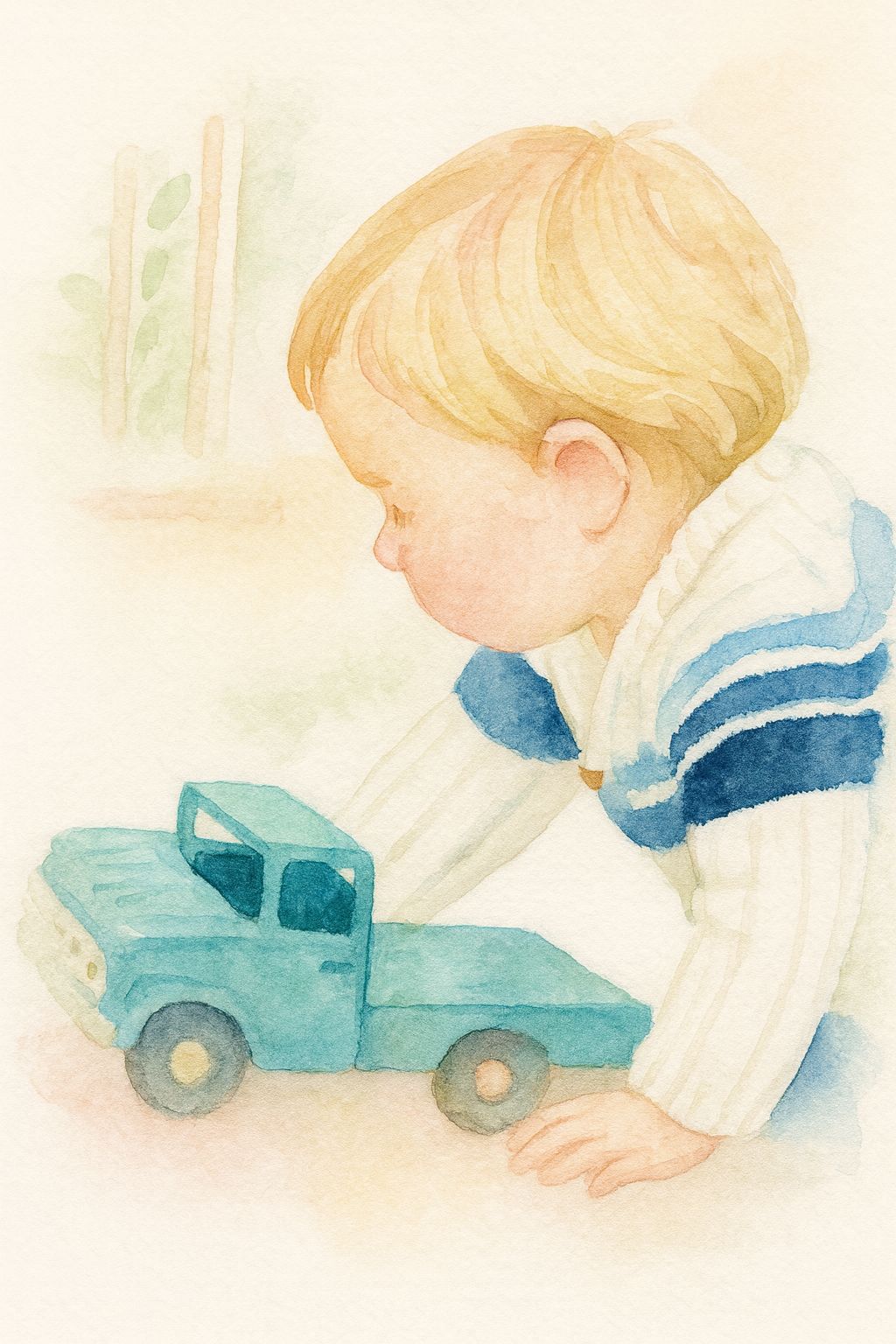
The Blue Truck
Snack time ends. Chairs scrape. A cup tips. “K.”, age 2½, presses close to a classmate who is holding the blue truck. The room is busy. K.’s shoulders rise, breath goes shallow, and before words arrive, he leans in and bites. Tears. Surprise. The adult moves fast to keep everyone safe. Later, K. curls into the reading corner, small and tired.
🔎 Lens
Biting at this age is most often a result of regulation and communication issues. Young bodies bite when nervous systems spike, mouths need deep pressure, or words are not ready yet. Our priority is to ensure everyone's safety while reducing the load and providing a more straightforward approach to meeting their needs.
💡 Practice
Environment: Reduce noise and crowding at known hotspots (transition zones, shared areas). Add two “heavy work” invitations within reach: a chewable necklace or silicone straw for oral input, and a push job, such as a small cart or basket of books.
Language: Short and steady. “I will keep teeth safe.” Block gently with your hand/forearm. Then offer the need met another way: “You want the truck. Here is a chew. When you are ready, we can ask for a turn.”
Follow-up: Teach the replacement script when you are calm. I'd like you to practice with me first. “My turn, please.” Place your hand on your chest, then count to five together while waiting. Notice and name any success: “You asked. You waited. That was respectful.”
🩵 Grace note
Biting does not make a child unkind. It means the body asked for help faster than words could come. Safety first, then skills.
→ Want this tailored to your home or classroom? Book a consult.
2 Comments
This is a test comment for end to end testing.
Resend integration test comment. Please ignore.